When you’re stranded on the roadside with a broken-down vehicle, the last thing you want is confusion about what service you actually need. Many drivers use the terms “car recovery,” “vehicle recovery,” and “breakdown recovery” interchangeably, but they actually represent distinct services with different purposes, equipment requirements, and outcomes.
Understanding these differences can save you time, money, and stress when you’re in an emergency situation. In this comprehensive guide, we’ll explore the nuances between these three essential services, helping you make the right choice when you need professional assistance.
What is Car Recovery? A Detailed Definition
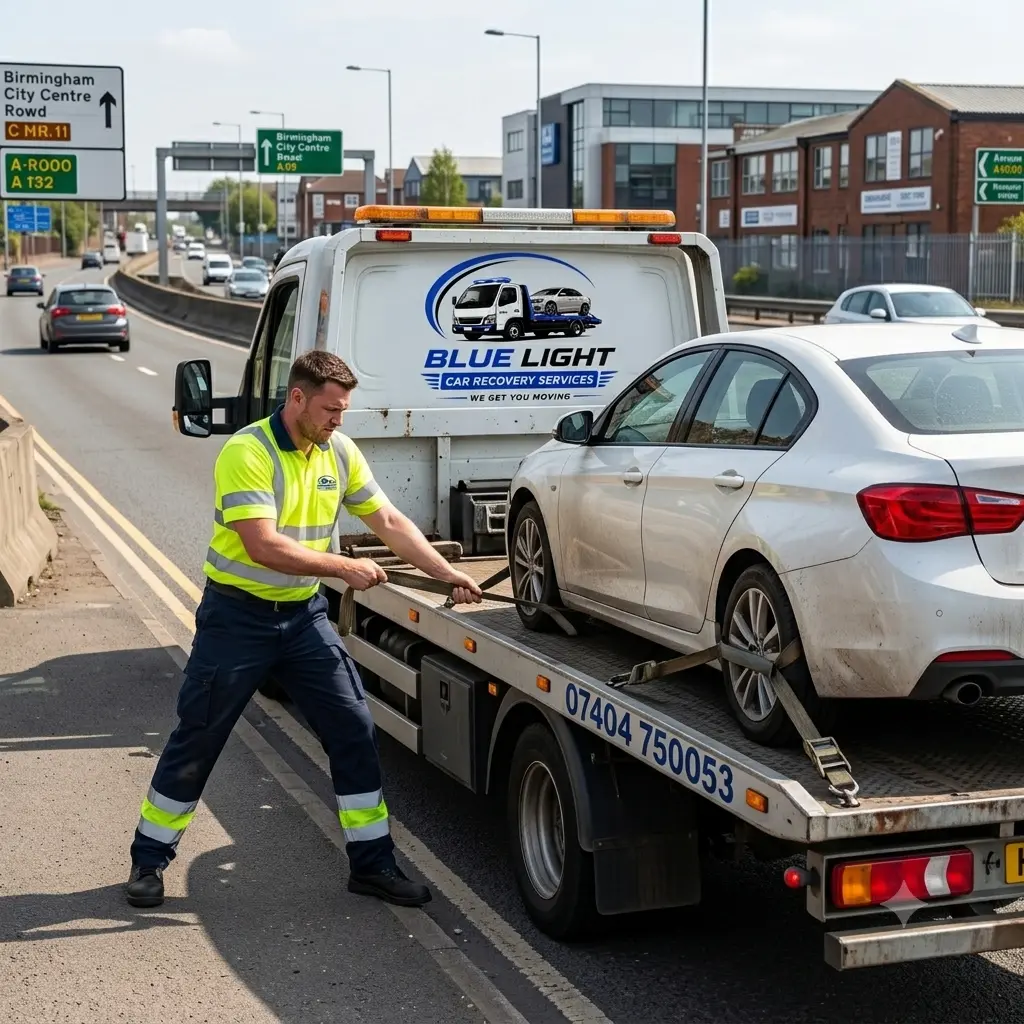
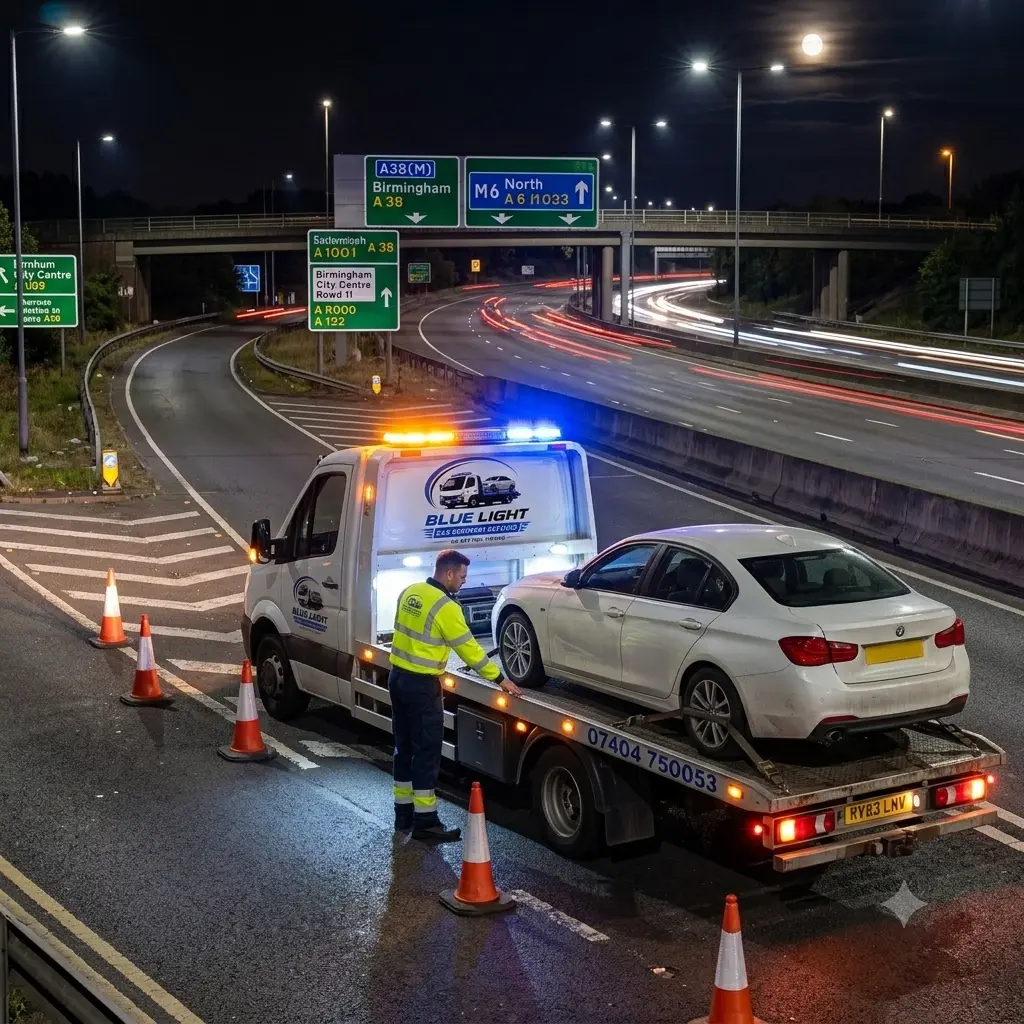
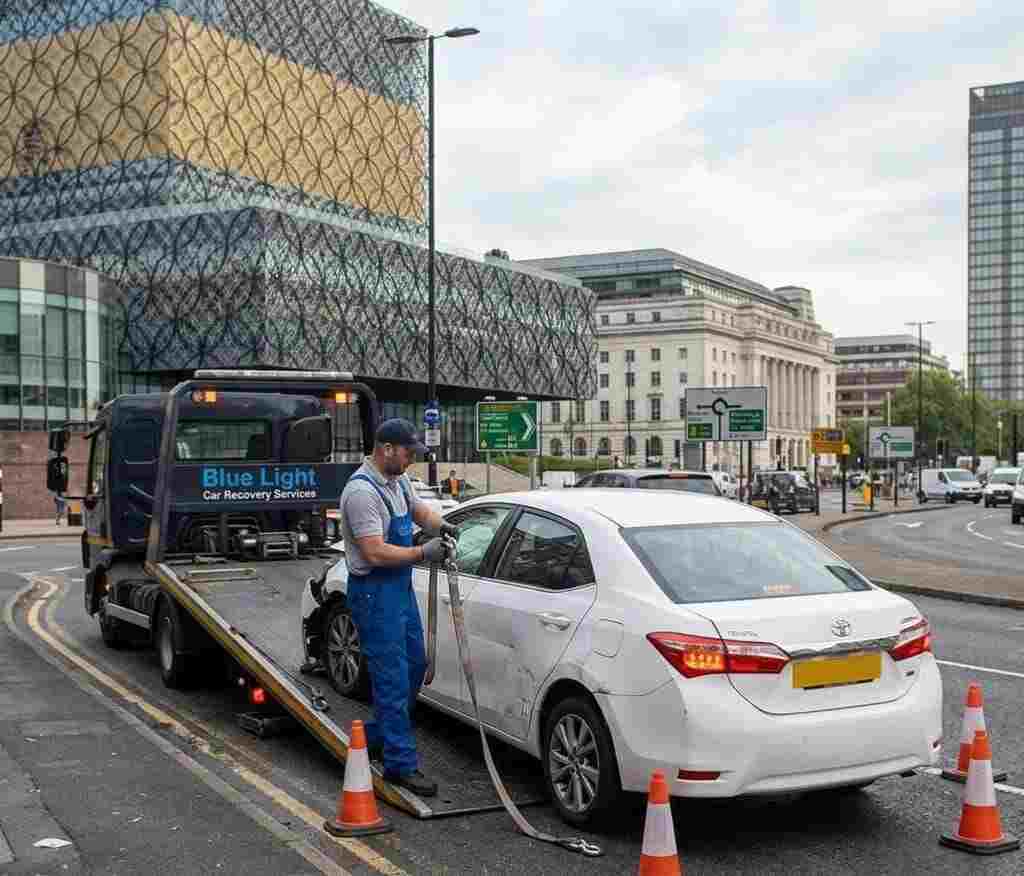
Car recovery is a specialized service focused specifically on the safe retrieval and transportation of passenger vehicles that cannot be driven. This service is typically required when a car has suffered a major mechanical failure, been involved in an accident, or is in a situation where roadside repairs are impossible or unsafe.
Key Characteristics of Car Recovery:
- Vehicle-Specific Focus: Car recovery is primarily concerned with passenger vehicles, including hatchbacks, saloons, estates, SUVs, and sports cars. It’s not typically used for commercial vehicles, HGVs, or motorcycles.
- Complete Transportation: The primary goal of car recovery is to transport the vehicle from its current location to a destination of your choice. This might be a garage, your home, a dealership, or any other location you specify.
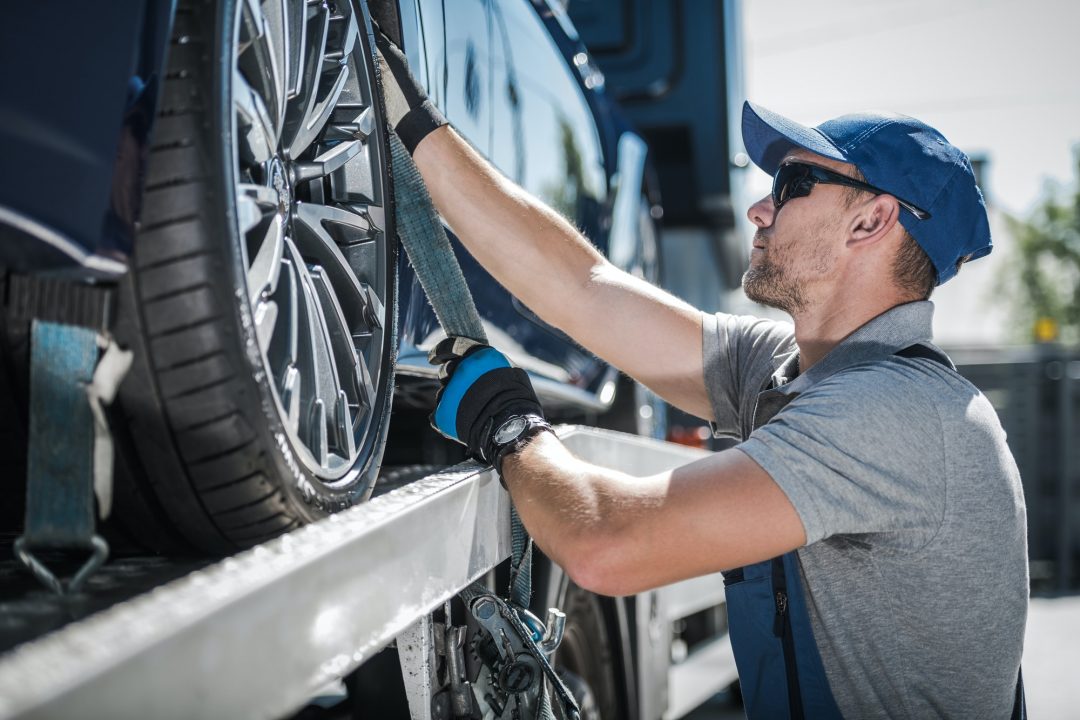
- Specialist Equipment: Car recovery typically uses flatbed trucks or wheel-lift tow trucks designed specifically for passenger vehicles. These vehicles are equipped with features that protect the car during transport, such as soft straps, wheel nets, and adjustable beds.
- Situation-Based Response: Car recovery is triggered by specific situations where the vehicle cannot continue its journey. This includes mechanical breakdowns, accidents, theft recovery, or situations where the vehicle has become immobilised.
- Destination Flexibility: Unlike some other services that might only take your vehicle to the nearest garage, car recovery services allow you to choose exactly where your vehicle is transported. This is particularly important if you have a preferred mechanic or dealership.
When You Need Car Recovery:
You need car recovery when:
- Your engine has suffered catastrophic failure such as a seized engine, blown head gasket, or snapped timing belt.
- Your vehicle has been involved in an accident and is unsafe to drive, even if the damage appears minor.
- Your transmission or gearbox has failed completely, making it impossible to select gears or move the vehicle.
- Your car has sustained flood damage and the engine has hydrolocked.
- Your vehicle has failed its MOT and cannot be legally driven on public roads.
- Your car has been stolen and recovered and needs transporting back to you or to a garage for inspection.
At Blue Light Car Recovery, our car recovery service is specifically designed to handle these situations with professionalism, care, and efficiency. Our fleet of modern recovery vehicles and experienced operators ensure your car is transported safely to your chosen destination.
What is Vehicle Recovery? A Comprehensive Overview
Vehicle recovery is a broader term that encompasses the recovery and transportation of ALL types of vehicles, not just cars. This includes motorcycles, vans, light commercial vehicles, heavy goods vehicles (HGVs), buses, coaches, plant machinery, and even agricultural vehicles.
Key Characteristics of Vehicle Recovery:
- Universal Application: Vehicle recovery covers every type of motorised transport. Whether you drive a small hatchback or operate a fleet of HGVs, vehicle recovery services can assist you.
- Specialized Equipment: Vehicle recovery requires a wider range of equipment than car recovery alone. This might include heavy-duty recovery trucks, low-loaders, tilt-and-slide trailers, underlift recovery vehicles, and specialist winching equipment.
- Varied Weight Capacities: Vehicle recovery providers must be equipped to handle everything from lightweight motorcycles (200kg) to fully loaded HGVs (44 tonnes). This requires a diverse fleet and highly trained operators.
- Complex Scenarios: Vehicle recovery often involves more complex scenarios than car recovery. This might include recovering a tipped-over HGV, extracting a tractor from a muddy field, or safely recovering a bus from a tight city street.
- Commercial Focus: While car recovery is often used by private individuals, vehicle recovery frequently serves commercial clients. This includes logistics companies, fleet operators, construction firms, and agricultural businesses.
When You Need Vehicle Recovery:
You need vehicle recovery when:
- Your van or light commercial vehicle has broken down and needs transporting to a garage.
- Your HGV or lorry has suffered a mechanical failure on a motorway or major road.
- Your motorcycle has broken down or been involved in an accident and needs collection.
- Your agricultural vehicle or tractor has become stuck in a field or broken down on a rural road.
- Your plant machinery or construction equipment needs transporting between sites.
- Your bus or coach has broken down with passengers on board and needs immediate recovery.
At Blue Light Car Recovery, our vehicle transportation service provides comprehensive solutions for all types of vehicles, ensuring safe and professional transport regardless of the vehicle type or situation.
What is Breakdown Recovery? A Clear Explanation
Breakdown recovery is a service that focuses on getting you back on the road as quickly as possible after a vehicle malfunction. Unlike car recovery or vehicle recovery, breakdown recovery often includes on-the-spot repairs that allow you to continue your journey without the need for transportation.
Key Characteristics of Breakdown Recovery:
- Roadside Repair Focus: The primary goal of breakdown recovery is to fix the problem at the roadside so you can continue your journey. This saves time and reduces disruption to your day.
- Immediate Assistance: Breakdown recovery services typically offer rapid response times, with operators dispatched to your location as quickly as possible. They’re equipped with tools and parts to handle common roadside issues.
- Limited Scope: Breakdown recovery is limited to issues that can be fixed at the roadside. If the problem is too severe, the operator will arrange for car recovery or vehicle recovery instead.
- Wide Range of Issues: Breakdown recovery technicians are trained to handle a wide range of common problems, including flat batteries, punctured tyres, electrical faults, minor mechanical issues, and running out of fuel.
- Membership-Based Model: Many breakdown recovery services operate on a membership or subscription model, similar to the AA, RAC, or Green Flag. Members pay an annual fee in exchange for a certain number of callouts per year.
When You Need Breakdown Recovery:
You need breakdown recovery when:
- You have a flat battery and need a jump-start to get your engine running again.
- You have a punctured tyre and need it changed or temporarily repaired.
- You’ve run out of fuel and need a small amount to get you to the nearest petrol station.
- You have a minor electrical fault that can be resolved with basic tools.
- Your engine is overheating and the issue can be resolved by adding coolant or checking the radiator.
- Your warning lights are flashing and a technician can diagnose and resolve the issue at the roadside.
Our breakdown recovery service at Blue Light Car Recovery provides rapid, professional assistance for all types of roadside breakdowns. We’ll get you back on the road quickly or arrange transportation if needed.
The Key Differences: A Side-by-Side Comparison
To help you understand the distinctions more clearly, here’s a comprehensive side-by-side comparison of car recovery, vehicle recovery, and breakdown recovery:
| Aspect | Car Recovery | Vehicle Recovery | Breakdown Recovery |
|---|---|---|---|
| Primary Purpose | Transport passenger cars to a destination | Transport ALL types of vehicles | Fix problems at the roadside |
| Vehicle Types | Cars only (hatchbacks, saloons, SUVs, sports cars) | All vehicles (cars, vans, HGVs, motorcycles, agricultural, plant) | All vehicle types |
| Equipment Used | Flatbed trucks, wheel-lift tow trucks | Heavy-duty recovery trucks, low-loaders, underlift vehicles, winches | Mobile service vans with tools and parts |
| Outcome | Vehicle transported to destination | Vehicle transported to destination | Vehicle repaired and ready to drive |
| Time Required | 30-90 minutes typically | Varies widely depending on vehicle and situation | 15-60 minutes typically |
| Cost | Moderate (based on distance and vehicle type) | Higher (based on vehicle size, weight, distance) | Lower (often membership-based with excess fees) |
| Suitable For | Major breakdowns, accidents, non-runners | All recovery situations including commercial vehicles | Minor issues like flat batteries, punctures, running out of fuel |
| Destination Options | You choose any destination | You choose any destination | Your journey continues from breakdown point |
| Typical Callers | Private car owners | Commercial operators, fleet managers, private owners of non-car vehicles | Private car owners, fleet drivers |
| Insurance Coverage | Often covered by comprehensive car insurance | Often covered by commercial vehicle insurance | Often covered by breakdown membership or bank accounts |
When to Choose Each Service: Practical Decision-Making
Understanding the differences between these services is essential, but knowing which one to choose in a specific situation is equally important. Here’s a practical decision-making guide:
Choose Car Recovery When:
- Your car won’t start and you’re certain the issue can’t be fixed at the roadside (e.g., engine failure, seized brakes, transmission issues).
- You’ve been in an accident and your vehicle is unsafe to drive, even if the damage appears minor.
- You need your vehicle transported to a specific garage, dealership, or your home.
- Your car has sustained flood damage and the engine has hydrolocked.
- You’re driving a classic or luxury car and you want to ensure it’s handled with exceptional care.
- Your vehicle has failed its MOT and cannot be legally driven.
Choose Vehicle Recovery When:
- You’re driving a van, HGV, or commercial vehicle that has broken down.
- You’re riding a motorcycle that needs collection.
- You need agricultural equipment such as a tractor or combine harvester recovered.
- You need plant machinery or construction equipment transported between sites.
- Your bus or coach has broken down with passengers on board.
- You have a fleet vehicle that needs recovering to a designated maintenance facility.
Choose Breakdown Recovery When:
- You have a flat battery and the car simply needs a jump-start.
- You have a punctured tyre and need a professional to change it.
- You’ve run out of fuel and just need a small amount to reach a petrol station.
- You have a minor electrical fault that can be resolved at the roadside.
- Your engine is overheating and the issue can be fixed by adding coolant.
- You’re experiencing a minor mechanical issue that a technician can resolve quickly.
How Blue Light Car Recovery Handles All Three Services
At Blue Light Car Recovery, we understand that every breakdown situation is unique. While our core expertise lies in car recovery and vehicle transportation, we also provide comprehensive breakdown recovery services. This means we can handle any situation you encounter, from a simple flat battery to a major accident recovery.
Our Approach to Car Recovery:
When you call us for car recovery, we’ll:
- Assess the situation by asking detailed questions about your vehicle, its condition, and your location.
- Dispatch the appropriate vehicle from our fleet of modern recovery trucks, ensuring we have the right equipment for your specific needs.
- Recover your car safely using professional techniques that protect your vehicle from additional damage.
- Transport your car to your chosen destination, whether that’s a garage, your home, or another location.
- Provide clear communication throughout the process, keeping you informed of progress and expected arrival times.
Our Approach to Vehicle Recovery:
For vehicle recovery of non-car vehicles, we’ll:
- Identify the vehicle type and its specific requirements (size, weight, handling needs).
- Select the right equipment from our diverse fleet, which includes vehicles capable of handling vans, HGVs, and motorcycles.
- Deploy specialist operators with experience in recovering your specific type of vehicle.
- Ensure safe and secure transport to your chosen destination, using appropriate securing methods.
- Coordinate with other services if needed, such as police or highways agencies for large vehicle recoveries.
Our Approach to Breakdown Recovery:
For breakdown recovery, we’ll:
- Respond rapidly to your call, understanding that every minute counts when you’re stranded.
- Diagnose the problem quickly using our experienced technicians’ expertise and diagnostic equipment.
- Attempt roadside repairs if the issue is minor and can be resolved safely.
- Arrange recovery if the issue is too severe for a roadside fix, seamlessly transitioning to our car or vehicle recovery services.
- Get you moving again as quickly as possible, minimising disruption to your day.
Common Misconceptions About Car Recovery and Related Services
There are several misconceptions about car recovery, vehicle recovery, and breakdown recovery that can lead to confusion and poor decision-making. Here are the most common myths debunked:
Myth 1: All Recovery Services Are the Same
Reality: As we’ve explored in detail, car recovery, vehicle recovery, and breakdown recovery are distinct services with different purposes, equipment, and outcomes. Choosing the wrong service can result in delays, higher costs, or inadequate assistance.
Myth 2: Breakdown Recovery Always Includes Transportation
Reality: Many breakdown recovery services focus primarily on roadside repairs. While they can arrange transportation if needed, this is often an additional service rather than a standard feature. Always check what’s included in your breakdown cover.
Myth 3: Car Recovery and Towing Are the Same Thing
Reality: While towing is a type of recovery, modern car recovery often uses flatbed trucks rather than traditional tow trucks. Flatbed recovery is safer and causes less wear on the vehicle. Our car towing and car recovery services offer different approaches based on your specific needs.
Myth 4: You Should Always Call Your Insurance First
Reality: Many insurance policies include breakdown and recovery cover, but these services often have limitations. It’s worth having a direct relationship with a recovery provider like Blue Light Car Recovery so you can call us directly when you need assistance.
Myth 5: Recovery Services Only Operate in Urban Areas
Reality: Professional recovery services like Blue Light Car Recovery operate throughout Birmingham and the surrounding areas, including rural locations. We have the equipment and expertise to recover vehicles from any location.
Myth 6: All Recovery Vehicles Are the Same
Reality: Recovery vehicles vary significantly in size, capacity, and capability. A standard flatbed truck might not be suitable for a 44-tonne HGV, just as a heavy-duty recovery vehicle would be overkill for a small hatchback. Professional services match the vehicle to the job.
The Financial Aspect: Cost Comparisons
Understanding the cost differences between car recovery, vehicle recovery, and breakdown recovery can help you make informed decisions and avoid unexpected expenses.
Car Recovery Costs:
- Average Cost: £50-£200 for local recovery
- Factors Affecting Cost: Distance to destination, vehicle type, time of day (night or weekend callouts may incur additional charges), complexity of recovery
- Additional Charges: Excessive mileage, waiting time, specialist equipment requirements
Vehicle Recovery Costs:
- Average Cost: £80-£500+ depending on vehicle size and complexity
- Factors Affecting Cost: Vehicle size and weight, distance, specialist equipment needed, number of operators required
- Additional Charges: Complex recoveries (e.g., from ditches or awkward positions), overnight storage, crane or winch requirements
Breakdown Recovery Costs:
- Average Cost: £30-£100 for standard callout (or free as part of a membership)
- Factors Affecting Cost: Membership status, time of day, parts required
- Additional Charges: Parts and consumables, excessive callouts within a policy period
At Blue Light Car Recovery, we provide transparent, competitive pricing for all our services. We’ll always give you a clear quote before any work begins, so there are no surprises when it comes time to pay.
Insurance Implications: What You Need to Know
Your car insurance policy may include some level of recovery cover, but it’s essential to understand exactly what’s included:
Comprehensive Insurance:
- Often Includes: Recovery to the nearest garage after an accident
- May Not Include: Recovery to your home or preferred garage, recovery for non-accident-related breakdowns
Breakdown Cover:
- Often Includes: Roadside assistance, recovery to a local garage, homestart service
- May Not Include: Recovery to a specific location, recovery for commercial vehicles, international recovery
Specialist Vehicle Insurance:
- Often Includes: Recovery for the specific vehicle type, often to a specialist repair facility
- May Not Include: Standard breakdown services, alternative vehicle provision
At Blue Light Car Recovery, we work with all major insurance providers and can often bill them directly, saving you the hassle of claiming back later. Our accident recovery service is specifically designed to work seamlessly with your insurance company.
Choosing the Right Service Provider: What to Look For
Whether you need car recovery, vehicle recovery, or breakdown recovery, choosing the right service provider is crucial. Here’s what to look for:
Essential Qualities in a Recovery Provider:
- 24/7 Availability: Breakdowns and accidents don’t respect business hours. Your provider should be available round the clock.
- Fast Response Times: When you’re stranded, every minute counts. Look for providers with proven rapid response capabilities.
- Comprehensive Equipment: The provider should have a diverse fleet capable of handling various vehicle types and situations.
- Experienced Operators: Trained, certified operators make all the difference in ensuring safe, professional recovery.
- Transparent Pricing: Clear, up-front quotes with no hidden charges are essential for peace of mind.
- Insurance Coverage: The provider should have comprehensive insurance to protect your vehicle during recovery.
- Local Knowledge: Especially for urban recovery, local knowledge helps ensure faster, more efficient service.
- Positive Reviews: Check customer feedback to confirm the provider delivers on its promises.
- Range of Services: A provider offering multiple services (car recovery, vehicle recovery, breakdown recovery) can handle any situation.
- Direct Contact: Easy, direct access to the provider without having to go through a call centre or third party.
Blue Light Car Recovery meets all these criteria and more. We’re a trusted local provider with a proven track record of excellence in car recovery, breakdown recovery, vehicle transportation, and other related services.
Frequently Asked Questions About Car Recovery, Vehicle Recovery, and Breakdown Recovery
Here are additional frequently asked questions to help you understand the nuances between these services:
1. Can breakdown recovery turn into car recovery?
Yes. If a breakdown operator arrives and determines the issue can’t be fixed at the roadside, they’ll arrange car recovery. Some breakdown providers include this in their standard service; others may charge extra.
2. Is car recovery more expensive than breakdown recovery?
Generally, yes. Car recovery involves transporting the vehicle to a destination, which requires more time, equipment, and fuel than a roadside repair. However, the cost difference is justified by the level of service provided.
3. Can I call a car recovery service for a motorcycle?
While some car recovery services can recover motorcycles, it’s often more appropriate to call a specialist vehicle recovery service. At Blue Light Car Recovery, our vehicle transportation service covers all vehicle types, including motorcycles.
4. What if my car breaks down on a motorway?
If you break down on a motorway, you should call Highways England on the emergency phones or use your mobile to call a recovery service. Never attempt to repair the vehicle yourself on a motorway. Our emergency car recovery service can assist you safely.
5. Can I choose which garage my car is taken to for recovery?
Yes. With car recovery and vehicle recovery, you can usually choose your preferred destination. With breakdown recovery, the focus is on fixing the vehicle at the roadside so you can continue your journey.
6. Does car insurance cover recovery after an accident?
Many comprehensive insurance policies include recovery after an accident, but coverage varies. Always check your policy documents or contact your insurer for clarification.
7. What’s the difference between recovery and towing?
Towing involves pulling one vehicle behind another using a tow bar or rope. Recovery refers to the complete transport of a vehicle, typically on a flatbed or specialist vehicle. Recovery is safer and causes less wear on the vehicle.
8. How far will a car recovery service transport my vehicle?
Most car recovery services are flexible and can transport vehicles over any distance. However, costs increase with distance. For very long distances, specialist transportation might be more appropriate than standard recovery.
9. What should I do if my vehicle breaks down with passengers?
Stay calm and ensure everyone’s safety. If you’re on a busy road, keep everyone inside the vehicle if safe to do so. When calling for recovery, inform the operator how many passengers you have, so they can prepare appropriately.
10. Can I get recovery for a vehicle that’s not roadworthy?
Yes. Car recovery and vehicle recovery services are specifically designed to transport vehicles that aren’t roadworthy. This includes vehicles that have failed their MOT, been in accidents, or are simply non-runners.
The Future of Car Recovery and Related Services
The car recovery industry is evolving rapidly, driven by technological advances and changing vehicle types. Here are some trends to watch:
Electric Vehicle Recovery
As electric vehicles (EVs) become more common, recovery services are adapting. EVs have unique recovery requirements, including:
- Weight Considerations: EVs are often heavier than equivalent ICE vehicles, requiring specialist equipment.
- Battery Safety: Recovery operators must understand EV battery safety protocols.
- Towing Restrictions: Many EVs can’t be towed with wheels on the ground due to regenerative braking systems.
- Charging Infrastructure: Some recovery services are now offering mobile EV charging to get you to the nearest charging point.
Smart Recovery Services
Technology is making recovery services smarter and more efficient:
- GPS Tracking: Enables operators to find you quickly and accurately.
- Real-Time Updates: Customers can track their recovery vehicle’s progress in real-time.
- Diagnostic Integration: Some services can diagnose issues remotely before dispatch.
- App-Based Booking: Increasingly, recovery can be booked and tracked via smartphone apps.
Environmental Sustainability
Recovery services are becoming more environmentally conscious:
- Fuel-Efficient Vehicles: New recovery trucks are designed for better fuel economy.
- Alternative Fuels: Some operators are exploring electric or hybrid recovery vehicles.
- Responsible Disposal: Increasing focus on recycling and environmentally responsible vehicle disposal.
At Blue Light Car Recovery, we stay at the forefront of these developments, ensuring our car recovery and vehicle transportation services meet the needs of modern drivers.
Conclusion: Choosing the Right Service for Your Situation
Understanding the differences between car recovery, vehicle recovery, and breakdown recovery is essential for making the right choice when you’re in an emergency situation. Here’s a quick summary to help you decide:
Choose Breakdown Recovery if:
- Your vehicle has a minor issue that can be fixed at the roadside
- You want to continue your journey with minimal disruption
- Your primary concern is getting back on the road quickly
Choose Car Recovery if:
- You drive a passenger car that can’t be repaired at the roadside
- You need your car transported to a specific destination
- Your vehicle has been in an accident or suffered major mechanical failure
Choose Vehicle Recovery if:
- You drive a vehicle other than a car (van, HGV, motorcycle, etc.)
- You need commercial or agricultural vehicle recovery
- Your vehicle requires specialist equipment due to size, weight, or situation
At Blue Light Car Recovery, we provide all three services, ensuring we can handle any situation you encounter. Our comprehensive range of services includes:
- Car Recovery – Professional recovery for passenger cars
- Breakdown Recovery – Fast roadside assistance for all vehicles
- Car Towing – Reliable towing services
- Accident Recovery – Specialist recovery after collisions
- Vehicle Transportation – Transport for all vehicle types
- Junk Car Towing – Hassle-free removal of scrap vehicles
Don’t wait until you’re stranded to find out which service you need. Save our number today and drive with confidence, knowing that Blue Light Car Recovery is just a phone call away. Our 24/7 emergency service ensures we’re always available when you need us most.
Need Immediate Car Recovery Assistance?
Call Blue Light Car Recovery Services today for fast, reliable, and affordable vehicle recovery anywhere in Birmingham.
📞 Phone: 07404750053
📧 Email: info@bluelightcarrecovery.co.uk
🌐 Website: https://bluelightcarrecovery.co.uk/